
Names and dates are shown so visitors can scan real patterns before asking for a quote.
Customer Reviews
Moving Company Reviews Los Angeles
Customer feedback with names, plus move photos that show the kind of work customers are describing.
Use the reviews, photos, business details, and quote response together before choosing a crew.
Reviews repeatedly mention on-time arrival, careful handling, wrapping, and a smoother move day.
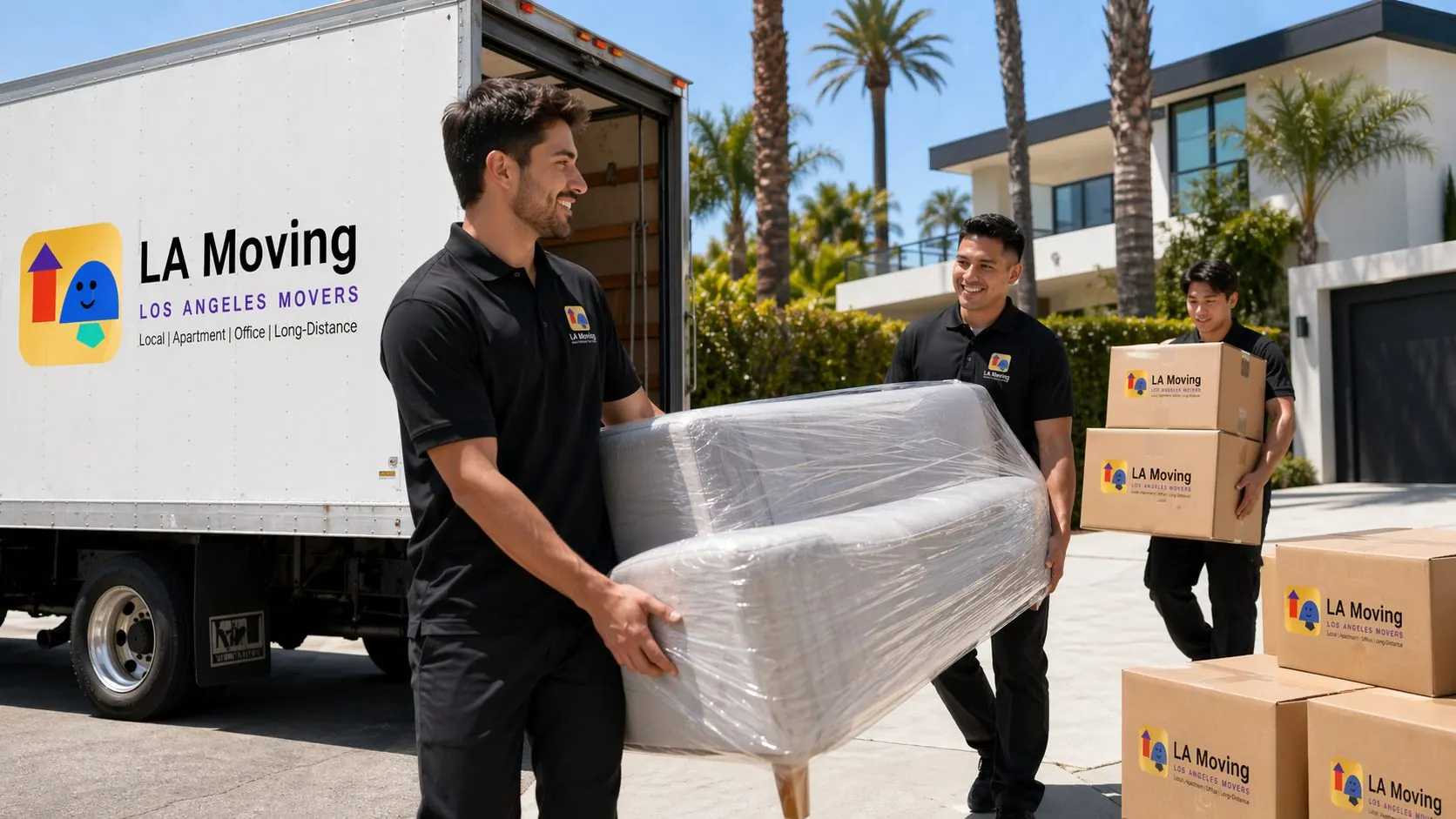
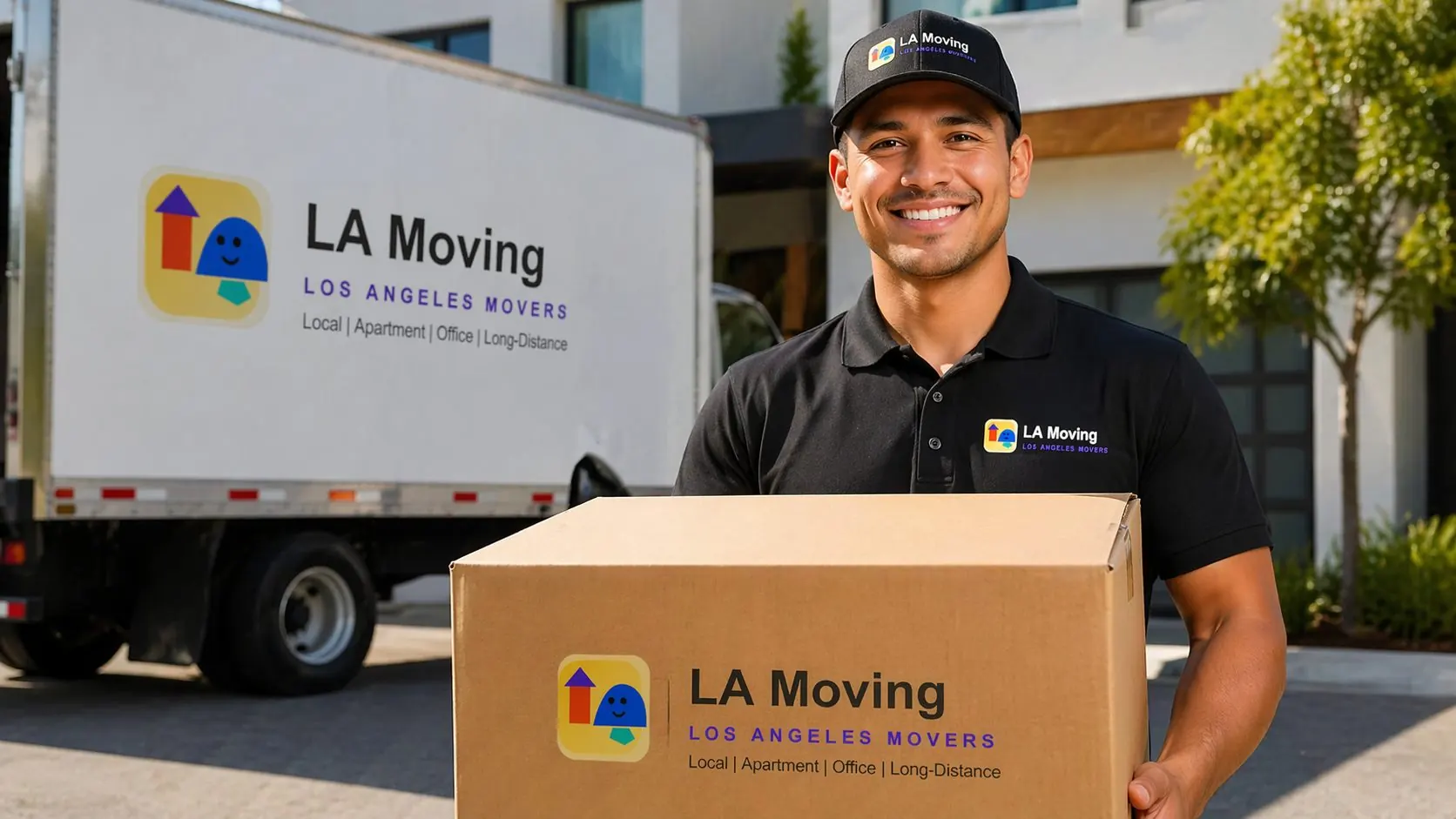
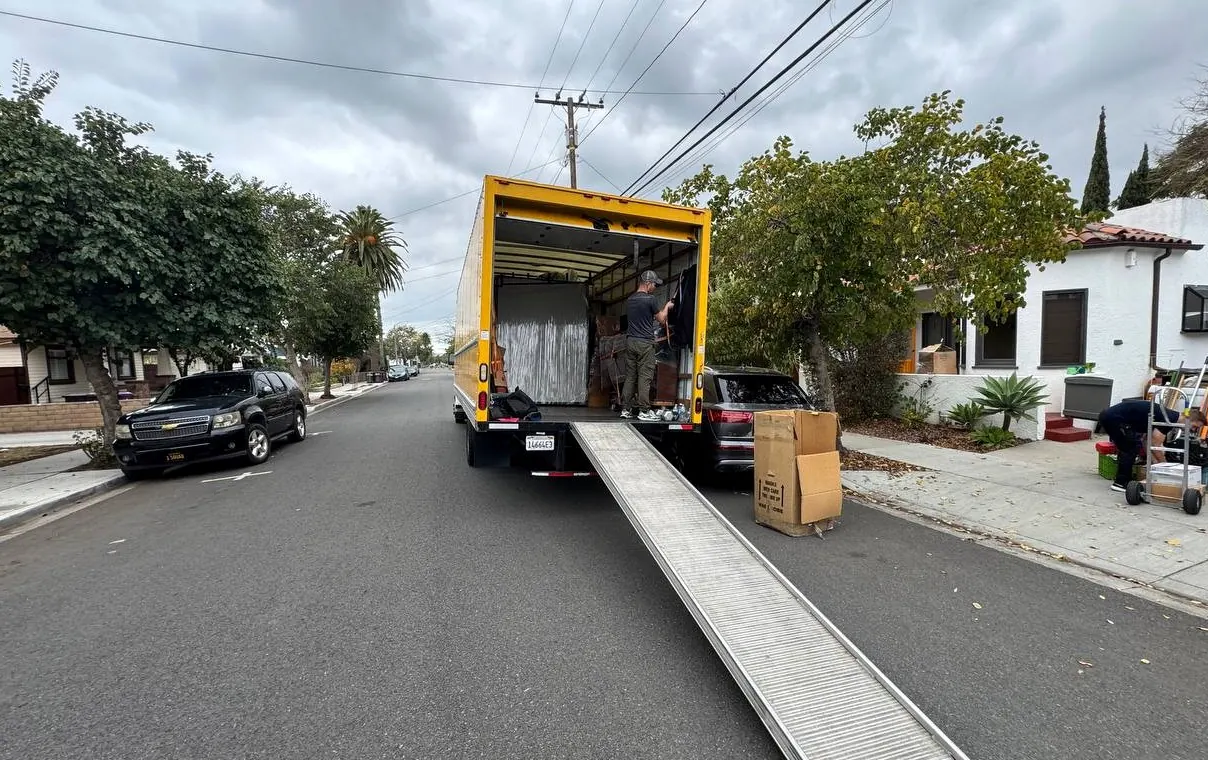
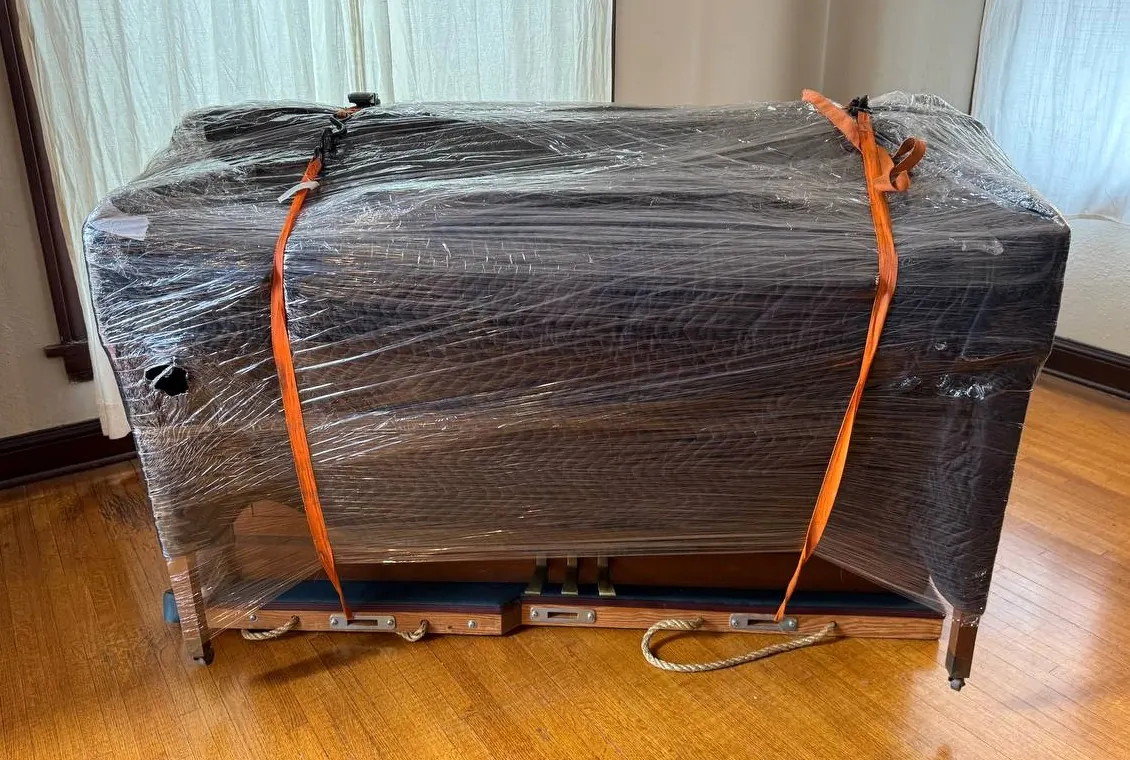
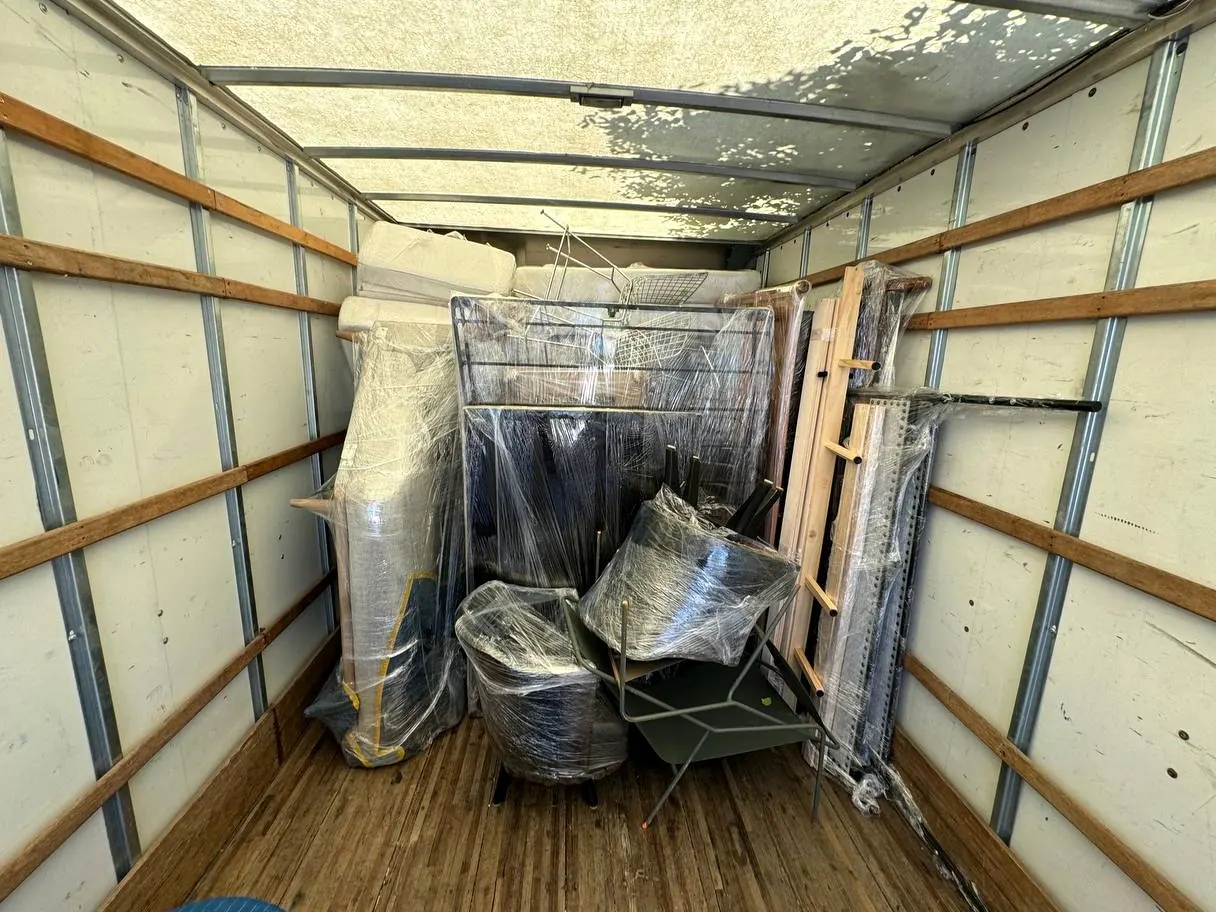
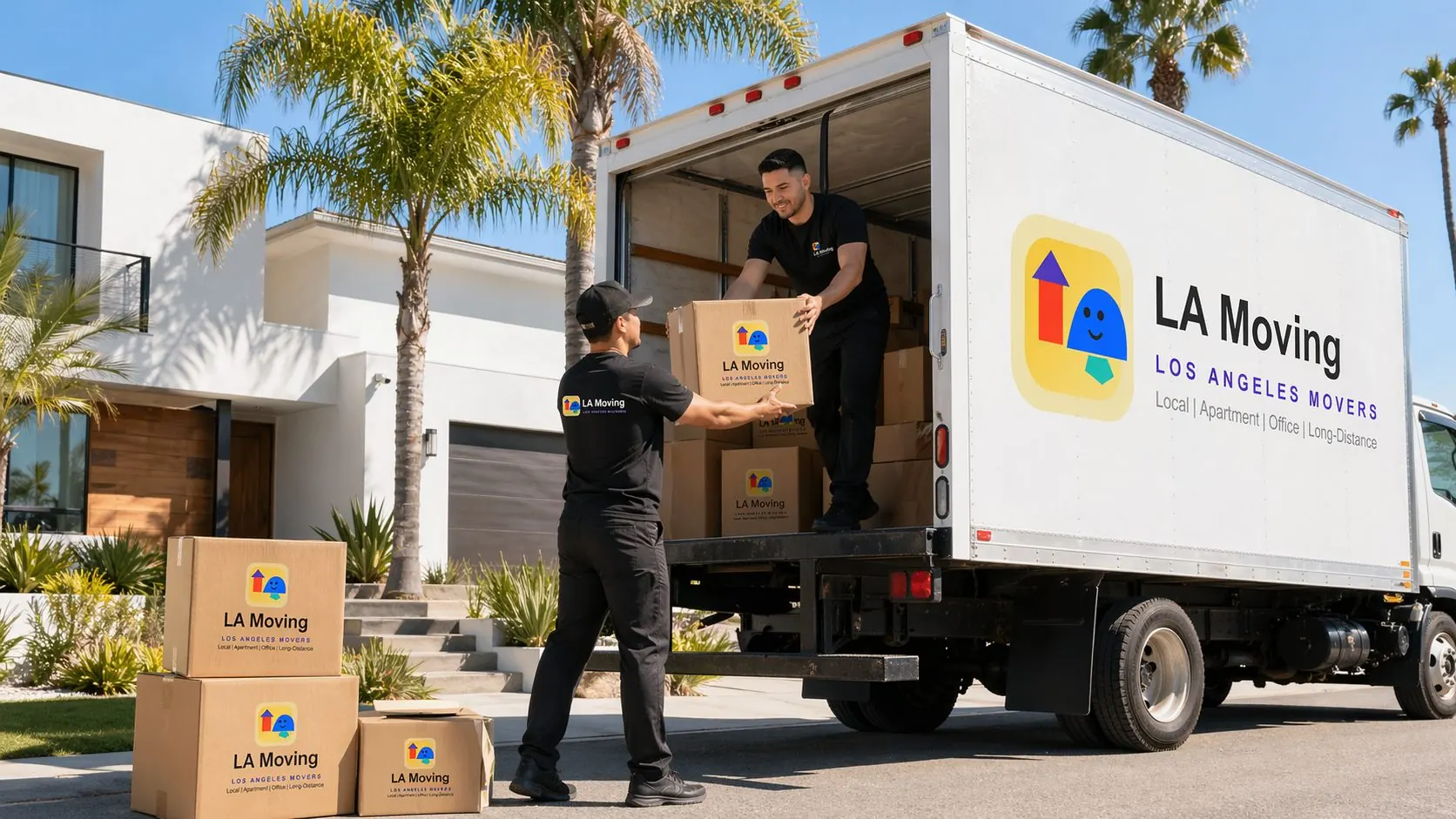
Photos show wrapped furniture, boxes, stairs, trucks, ramps, and residential moving work.
Customer Feedback
Recent reviews from LA Moving customers
These customer comments are shown with names and recent dates so visitors can quickly compare patterns: timing, care, communication, and furniture protection.
Source note: These are on-site customer comments provided to LA Moving. They are not presented as Google or Yelp reviews. Use the public profile checks below to compare independent sources.
Great moving experience in Los Angeles. The team arrived on time, worked carefully, and protected all of our furniture. Everything was done faster than expected. Highly recommend!
Michael Anderson | June 18, 2026
Very professional movers. They helped me move from Hollywood to Glendale and made the whole process easy. Friendly crew, fair price, and no damage.
Sarah Johnson | June 17, 2026
I had a great experience with this moving company. The movers were polite, fast, and very careful with my boxes and furniture. I would definitely use them again.
David Miller | June 16, 2026
Excellent service! They showed up right on time and handled everything with care. Moving in LA can be stressful, but this team made it simple.
Emily Carter | June 15, 2026
The movers were hardworking and respectful. They wrapped my furniture well and moved everything without any issues. Great company for local moves in LA.
James Wilson | June 14, 2026
Very smooth move from start to finish. Communication was clear, the price was reasonable, and the crew worked quickly. I'm very happy with the service.
Jessica Brown | June 13, 2026
I booked them for a small apartment move in West Hollywood. The team was professional, friendly, and careful. Everything went perfectly.
Daniel Garcia | June 12, 2026
Amazing movers! They helped with heavy furniture, stairs, and packing a few last-minute items. Very efficient and polite team.
Ashley Martinez | June 11, 2026
Great local moving company. They were on time, organized, and careful with fragile items. I would recommend them to anyone moving in Los Angeles.
Christopher Lee | June 10, 2026
Very good experience. The movers were fast but still careful. They protected the floors and wrapped the furniture properly. Thank you for making my move easy.
Amanda Taylor | June 9, 2026
Professional and reliable moving service. The crew worked hard and finished the job without wasting time. Everything arrived safely.
Robert Harris | June 8, 2026
I was nervous about moving, but this team made it stress-free. They were friendly, careful, and very organized. Great service in LA.
Olivia Thomas | June 7, 2026
Excellent communication and great service. The movers called before arrival, came prepared, and handled everything professionally.
Matthew Clark | June 6, 2026
The team did a great job moving my apartment. They were careful with my furniture and very respectful. I would definitely recommend them.
Sophia Lewis | June 5, 2026
Fast, clean, and professional. They helped move my furniture from a storage unit to my new place. No problems at all.
Andrew Walker | June 4, 2026
Great movers in Los Angeles. The crew was friendly, worked quickly, and took good care of everything. Very happy with the service.
Natalie Young | June 3, 2026
I had a very positive experience. The movers were strong, polite, and careful. The move was completed faster than I expected.
Kevin Allen | June 2, 2026
Reliable company with a professional team. They wrapped my furniture, loaded everything carefully, and delivered it without damage.
Rachel King | June 1, 2026
Great service and fair pricing. The movers were on time and worked very efficiently. I would use this company again for my next move.
Brian Scott | May 31, 2026
Very happy with my move. The team was professional, careful, and easy to communicate with. One of the best moving experiences I've had in LA.
Lauren Adams | May 30, 2026
Review Patterns
Match the review pattern to your move type
The best review for your decision is the one that sounds like your move. Compare comments about access, furniture care, timing, packing, and communication before you request a quote.
Use Reviews Practically
After you find a similar review, send the matching details in the quote request.
If a review talks about stairs, elevators, heavy furniture, packing, or tight timing, include those same details when your move has them.
Move Photos
Photos that match the review details
Customers mention careful handling, wrapping, boxes, stairs, and safe delivery. The gallery shows those details visually.
External Review Profiles
Check public review sources before booking
Use the links below to compare LA Moving's public business details with what you see on this site: phone, address, photos, and customer feedback.
Use Google to confirm the current Downtown Los Angeles address, phone, photos, and public review signals outside this website.
Use Yelp search to compare the business name, phone, address, and customer feedback before you decide.
Customer excerpts are paired with visible crew, truck, wrap, stairs, and loading photos.
Why this page does not show a Google star rating yet
A public star rating should come from the exact verified Google Business Profile, not from a guess or a search result. Until that profile URL is connected, this page keeps the trust proof separate: customer comments, real move photos, business details, and public profile search links.
Review Proof
Compare customer comments, move photos, and public business details.
This gives you a practical trust check before calling, sending a quote request, or booking a crew.
Book After Proof
Ready to compare the quote response?
Send the move date, pickup area, dropoff area, inventory size, stairs, elevator notes, parking limits, and packing needs. That is what turns good reviews into a useful quote.
LA Moving
+1 (213) 676-9460
info@la-moving.com
515 S Figueroa St #101, Los Angeles, CA 90071
Monday - Sunday: 8 AM - 8 PM
FAQ
Review questions before booking
Are these Google or Yelp reviews?
They are shown as on-site customer reviews with names and dates. Public Google and Yelp checks are linked separately so visitors can compare outside sources before booking.
Why is there no star rating on this page?
A star rating and review count should come from a verified public profile. Once the exact Google Business Profile is connected, the page can show that verified rating clearly.
What should I compare before booking?
Compare review patterns, real move photos, business details, starting rates, and how clearly the quote request is handled.
Which reviews should I pay attention to for my move?
Look for reviews that match the move type: apartment access, stairs, elevators, house furniture protection, office timing, packing, storage, heavy items, communication, and whether the crew handled similar constraints well.
Can I leave a review?
Yes. Use the review request page or contact LA Moving directly after your move.